
If you're searching for excavator hire Newcastle, you're probably already juggling more than one moving part. Maybe you're trying to prep a slab in Wallsend, cut a driveway in Charlestown, or sort out drainage on a tight block in Hamilton where side access is the first problem and spoil removal is the second.
Most first-time clients start with the hourly rate. That's understandable, but it's rarely the number that decides the final cost or the true risk. In Newcastle and across the Hunter, the better question is whether the machine, operator, access, attachments, transport and compliance setup properly suit the job. That's what keeps a straightforward dig from turning into delays, rework, or a SafeWork problem.
Choosing the Right Excavator for Your Newcastle Project
The right excavator starts with the task, not the machine list. A narrow access trenching job in a Newcastle terrace block needs a different setup from a site cut in Maitland or footing excavation for a retaining wall in Merewether.
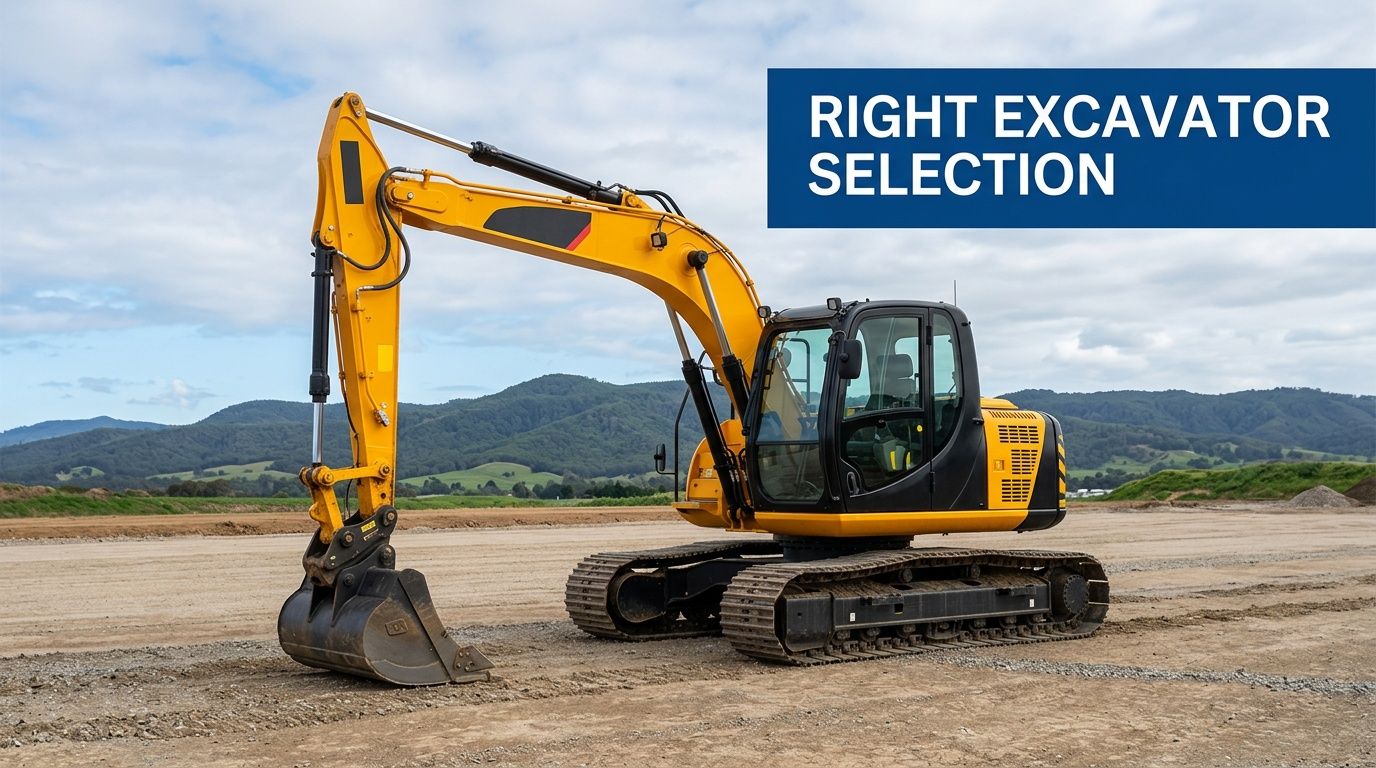
A useful starting point is simple. Small and micro machines suit confined residential access. Mid-size tracked excavators suit general earthworks and drainage. Heavier units suit bulk cut and fill, demolition, or civil trenching. Local hire ranges commonly run from micro excavators up to 40-tonne machines, with attachments such as breakers, augers and tilt rotators available through regional suppliers, as noted in local fleet range guidance.
Match the machine to the site, not just the volume
For a backyard job in suburbs like Adamstown or The Junction, access often decides everything. If the machine can physically get in without tearing up fences, driveways or services, you're already ahead.
On larger blocks around Fletcher, Thornton or western Newcastle growth areas, production rate matters more. A machine that's too small can spend all day cycling material when a larger excavator would've finished the cut, loaded out spoil faster, and reduced labour time around it.
Practical rule: Under-sizing an excavator often looks cheaper at quote stage, but it can cost more once slower cycle times and extra handling start stacking up.
A common mistake is hiring for digging depth only. Reach, tail swing, track width, truck loading height and spoil stockpile space matter just as much.
Attachments change what one machine can do
Attachments are where many jobs either become efficient or frustrating. A standard bucket is only the starting point.
If you're drilling pier holes for footings or posts, an auger makes sense. If you strike hard ground or sandstone, a hydraulic breaker can save hours of unproductive scratching. If you're clearing green waste, timber or demolition material, a grab can make the site cleaner and safer to manage.
That's why it helps to understand how different excavator attachments suit different construction tasks before you lock in the machine. One excavator with the right attachment package can often handle several stages of the job without bringing in extra plant.
A quick decision guide
| Job type | Usually suits | Why it matters |
|---|---|---|
| Tight side access trenching | Micro or mini excavator | Reduces property damage and access issues |
| Driveway prep or retaining wall footings | Mini to mid-size excavator | Balances access with digging power |
| Bulk earthworks or major site cuts | Larger tracked excavator | Maintains production and truck loading efficiency |
| Pier drilling or specialised ground work | Excavator with auger or breaker | Matches the tool to the material |
The machine should fit the work, the block and the exit plan for spoil. If those three line up, the hire usually runs smoothly.
Beyond the Hourly Rate Estimating Total Hire Costs
A Newcastle owner-builder might see a sharp hourly rate, book the machine, then get caught by a four-hour minimum, float charges, spoil disposal, and half a day lost because the block is tighter or softer than expected. That is how a cheap hire turns into an expensive job.
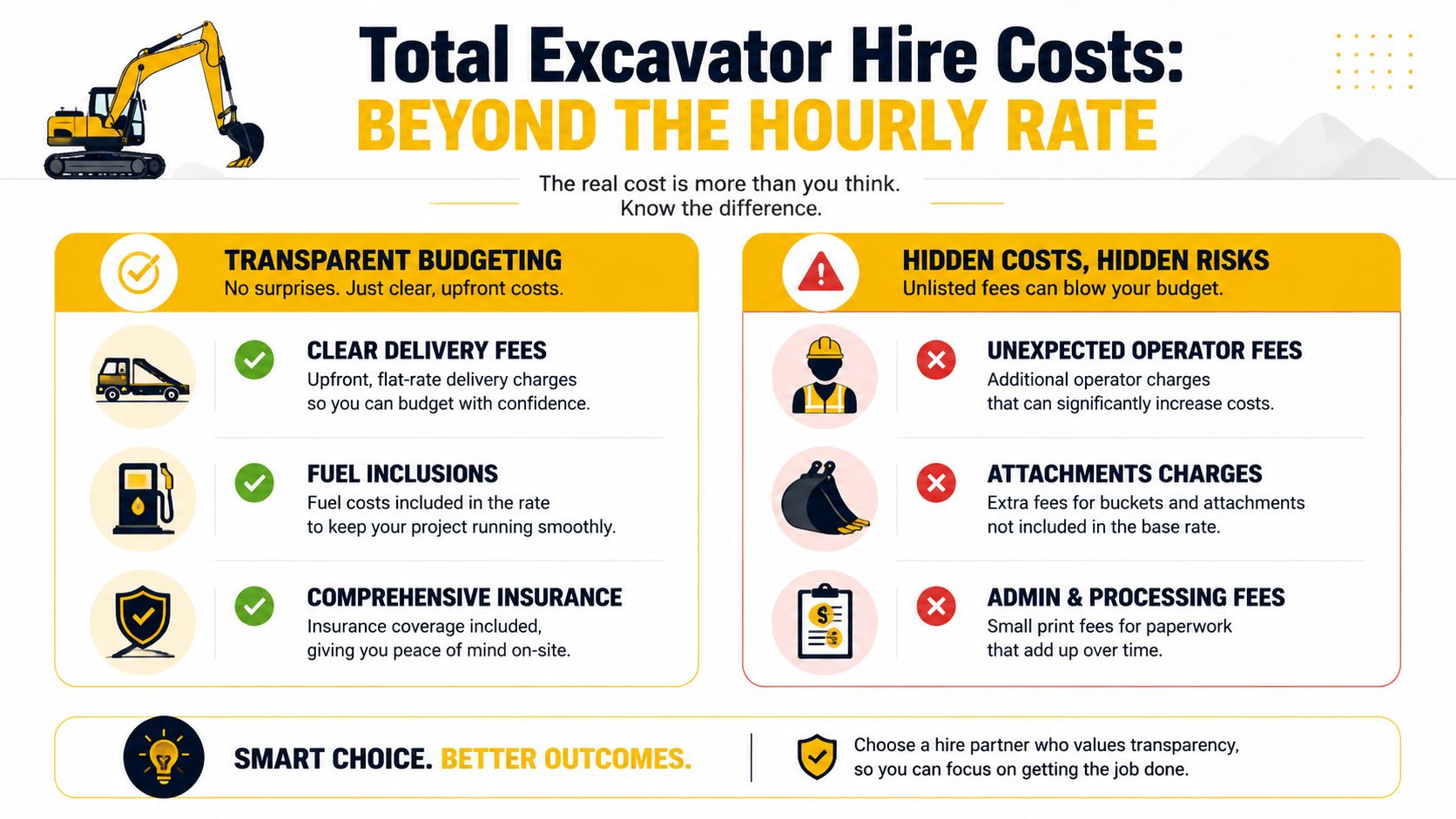
The hourly rate is only one line item. Total project cost usually comes from mobilisation, minimum hire periods, attachment changes, spoil handling, disposal fees, operator time lost to poor access, and the risk of rework if the wrong machine or hire mode is chosen.
For a current market reference, iseekplant's Newcastle rate guide lists a 1 to 2 tonne excavator at around $40 + GST per hour dry hire or $115 + GST per hour wet hire, while a 10 tonne machine sits around $65 + GST per hour dry hire or $135 + GST per hour wet hire. Larger classes rise further, with 20 to 25 tonne machines around $90 + GST per hour dry or $170 + GST per hour wet, 30 to 35 tonne around $120 + GST per hour dry or $190 + GST per hour wet, and 50 tonne excavators around $180 + GST per hour dry or $270 + GST per hour wet.
Wet hire and dry hire change both cost and risk
Dry hire can work on a controlled site with an experienced operator, known ground conditions, and a clear production plan. For residential excavation in Newcastle, wet hire is often the lower-risk option because responsibility for operating the machine stays with someone who does it every day.
That matters more than many clients expect. Digging beside footings, stormwater, retaining walls, or boundary fences on a sloping block leaves little room for hesitation. A lower hourly number does not help if the job slows down, a service is struck, or the finished levels are wrong.
There is also a safety side that gets missed in early budgeting. Plant condition, hose wear, and heat around hydraulic systems need proper attention on any site, and understanding hydraulic fluid flash points gives useful background on why maintenance standards are part of risk control, not just workshop paperwork.
The costs that usually blow out the budget
In the Hunter, tight side access, reactive clay, wet ground after rain, and older suburban service layouts can all stretch a hire well beyond the quoted rate. A machine may need to bench up safely, work in shorter passes, or reload spoil twice because there is no direct truck access. Each of those decisions adds time.
Spoil is another common blind spot. Clean excavated material is one thing. Mixed fill with brick, roots, concrete or rubbish is another, and disposal pricing changes accordingly. The same goes for imported materials if the site needs backfill, select fill, or road base after the dig.
Compliance risk has a price too. If underground services are unclear, boundaries are not properly set out, or excavation is close to structures, work slows while those risks are checked and managed. That delay still sits on the clock.
A practical way to price the whole job
Price the task in layers, not just by machine class:
- Hire format: Wet hire or dry hire, based on who is operating and who carries the execution risk.
- Minimums and travel: Delivery, pickup, float costs, travel time, and any minimum-hour booking.
- Ground and access conditions: Tight gates, soft verges, clay soils, slopes, overheads, and room for spoil stockpiles or trucks.
- Attachments and support plant: Augers, breakers, grabs, trucks, skid steers, labourers, or driveway protection.
- Material handling: On-site stockpiling, off-site disposal, tip fees, and whether spoil is clean, mixed, or unsuitable for reuse.
- Compliance and rework risk: Service locating, set-out, spotters if needed, working around existing structures, and final trim to the required level.
On many small jobs, mobilisation and disposal decide the final number more than the dig itself.
If you want to compare hourly hire against output and material volumes, this guide to the cost of excavation per m³ gives a better framework for budgeting the full siteworks package.
Preparing Your Site for Safe and Efficient Excavation
A machine that arrives to a cluttered or uncertain site burns time straight away. Good preparation shortens the hire, reduces risk and gives the operator a clean run at the task.
Start with services and access
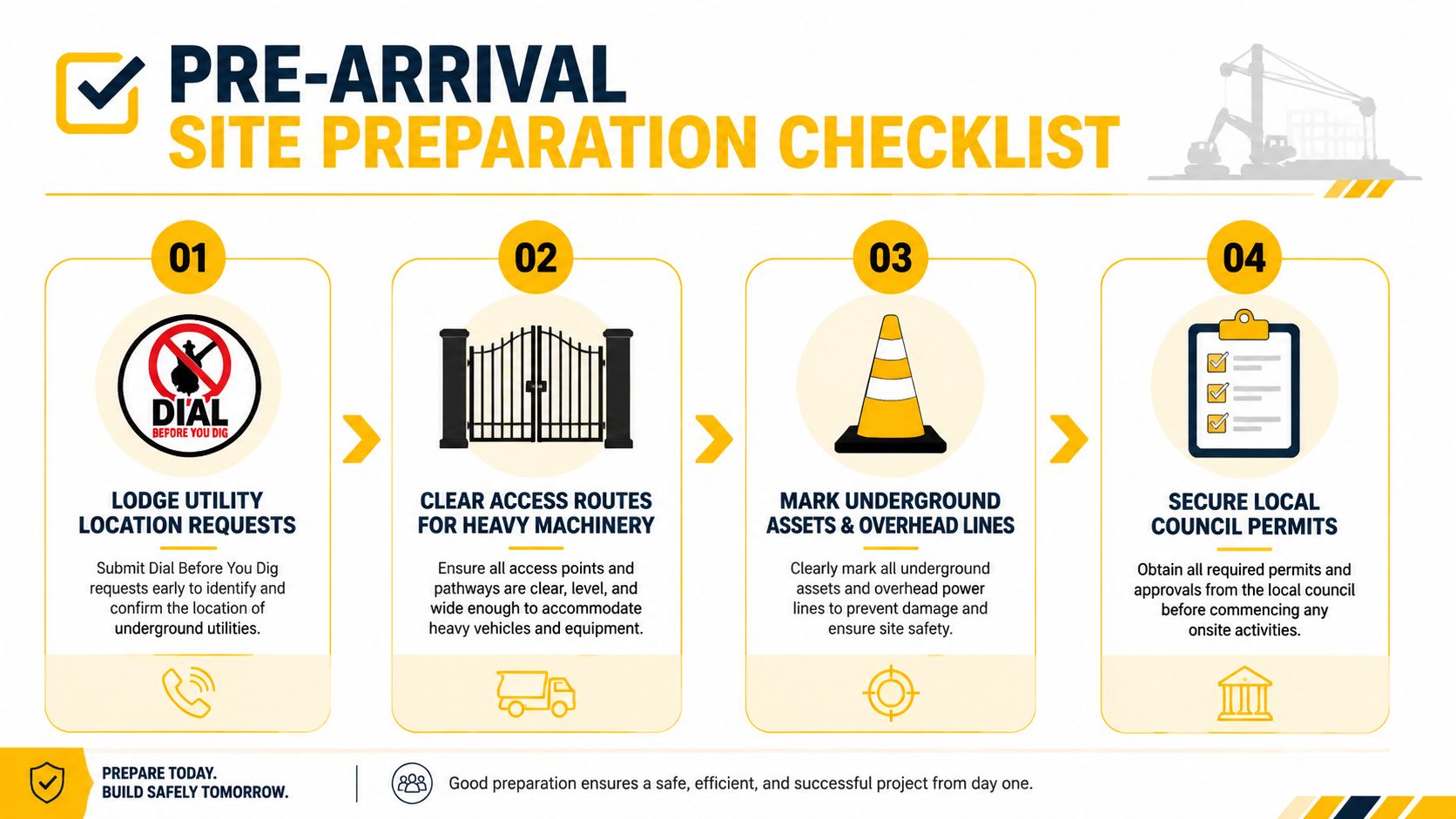
Before any excavation starts, lodge a utility enquiry and identify what's running through or near the dig area. Water, gas, power, NBN and drainage all matter. On older blocks in Newcastle, service locations aren't always where people expect them to be.
Then check access from the street to the work area. That includes gate width, turning room for the float, overhead lines, low branches, soft ground and whether the driveway needs protection.
A useful pre-start reference is this guide to site preparation for excavation, especially if you're dealing with a residential block where machine access is tight.
Mark hazards before the machine arrives
The operator should know what stays, what goes, and what can't be touched. Mark out fence lines, finished floor levels, trees to remain, existing structures, septic areas, stormwater points and any known services.
Use clear paint marks, pegs or batter boards where needed. A five-minute conversation before digging can prevent half a day of avoidable correction.
On-site advice: If you can't clearly explain the dig limits from the ground, don't expect the operator to guess them from memory.
Think beyond soil movement
Excavation safety isn't only about the bucket in the ground. Plant brings fuel, hydraulic systems, heat and moving parts onto the site. If you're reviewing machinery risk more closely, this guide on understanding hydraulic fluid flash points gives useful context on why fluid handling and equipment condition matter around heavy plant.
A simple pre-arrival checklist usually includes:
- Clear the work zone: Move trailers, materials, bins and loose debris out of the machine path.
- Protect surfaces: Identify paving, kerbs, turf or driveways that need mats, boards or alternate access.
- Confirm permissions: If the work affects footpaths, road reserve or council assets, check requirements with Newcastle Council before the hire date.
When the operator arrives to a site that's set out properly, the hire time gets spent excavating instead of solving preventable problems.
Navigating Permits and NSW Compliance in the Hunter
Compliance gets treated like paperwork until something goes wrong. In excavation, that attitude can create real risk for the property owner, builder and anyone on site.
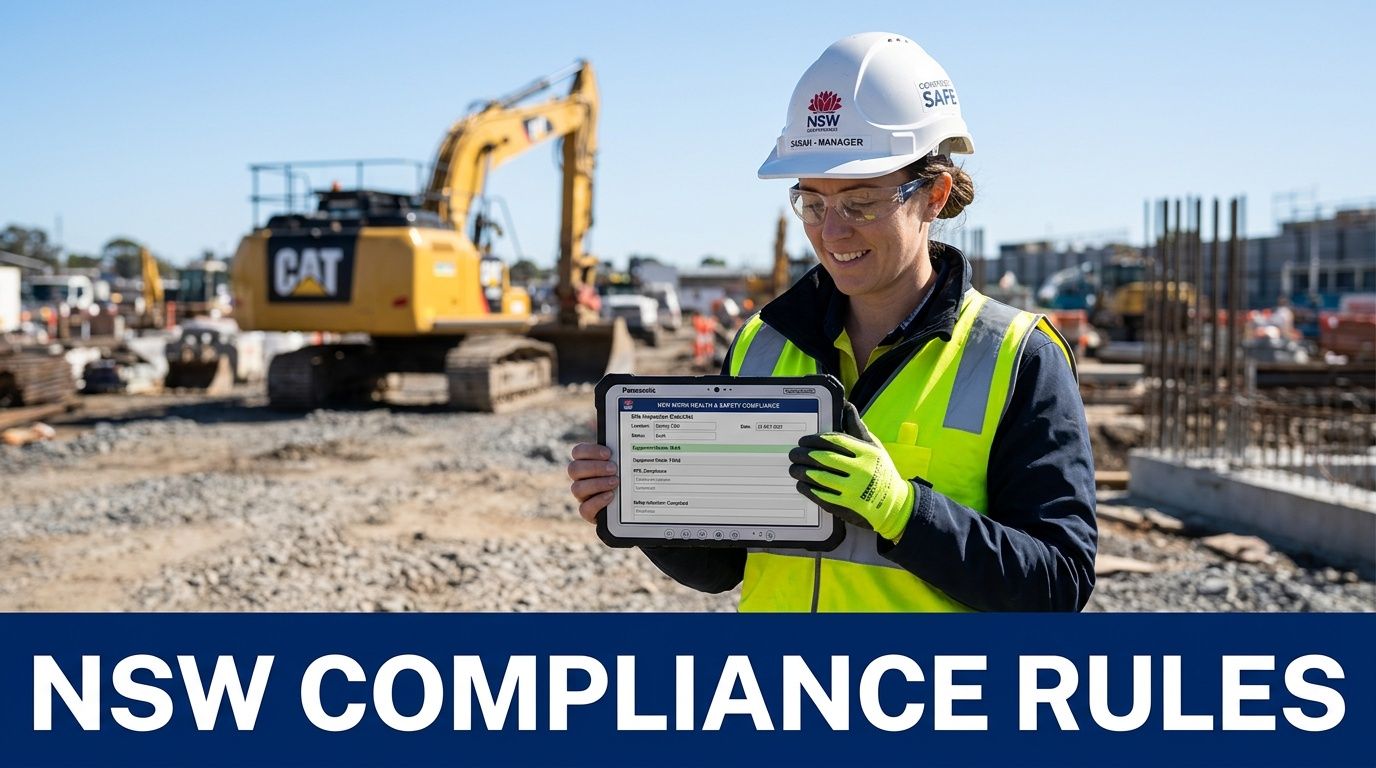
A major gap in many hire guides is operator licensing and competency. As noted in CEG Rentals' overview of excavator hire compliance considerations, SafeWork NSW has specific expectations around competency, especially for higher-risk work such as trenching or lifting, and the choice between a fully managed service and dry hire has real compliance consequences.
A ticket is not the whole story
People often ask whether an excavator operator is “licensed” as if that settles the issue. In practice, competency is the decisive test. The person operating the machine must be able to do the work safely in the actual conditions on your site.
That matters more when the job involves trenches, lifting, work near structures, public interfaces, underground services or unstable ground. A machine in the wrong hands can damage property quickly, but the bigger problem is the safety exposure that follows.
Key point: Dry hire doesn't transfer safety responsibility away from the site. If you're directing the work, your decisions still matter.
When council involvement can apply
Some excavation is private and straightforward. Some isn't. If works affect a footpath, kerb, verge, road reserve, stormwater connection, boundary conditions or sediment control obligations, council may need to be involved.
On sloping blocks and infill sites across Newcastle and the Hunter, excavation can also trigger engineering or certification issues if retaining, drainage or structural support is part of the wider build. That's why the dig itself should never be looked at in isolation.
Managed excavation usually suits higher-risk jobs
For simple open access work on a clear site, there may be more flexibility in how plant is engaged. For anything with public exposure, tight boundaries, active services, spoil haulage coordination or sequencing with other trades, a managed excavation setup is usually the cleaner option.
If your project sits further inland or crosses into broader regional conditions, this overview of Hunter Valley excavation considerations gives useful local context around site conditions and planning.
The main point is straightforward. Compliance isn't red tape for its own sake. It's what keeps excavation lawful, insurable and safe to complete.
Questions to Ask Before You Hire an Excavator
When you ring for quotes, the right questions tell you more than the price ever will. You're not only hiring a machine. You're hiring judgement, maintenance standards, planning and problem-solving.
Ask about safety and operator capability
Start with who will operate the machine and what kind of work they usually do. Residential trenching on a narrow block is different from open bulk earthworks, even if the same excavator size is involved.
Ask whether they're insured, whether the plant is maintained on schedule, and whether they're comfortable working around existing structures, driveways and live services. If the answer sounds vague, keep looking.
Ask how they handle the awkward parts
The awkward parts are where jobs either stay under control or drift. Ask what happens if they hit rock, if access is tighter than expected, if the weather turns, or if extra haulage is needed on the day.
This is also where you should ask about travel, delivery, attachments, minimum hire periods and whether site clean-up is included or separate. A clear answer now is better than a variation later.
A few useful screening questions are below:
- Who's operating the machine on the day: You want to know their experience with jobs similar to yours.
- What's included in the quote: Ask specifically about delivery, collection, attachments, spoil loading and final trim.
- What could change the price: Rock, additional truck movements, waiting time, access problems and weather delays should be discussed upfront.
- How is site damage managed: This matters if there's a driveway, crossover, lawn or retaining edge in the machine path.
Ask for clarity, not polished sales talk
A good operator or contractor should be able to explain the plan in plain language. They should also tell you when a different machine, a different approach, or a staged dig would work better.
If you're comparing local providers, this article on choosing excavation contractors near me is a useful companion when weighing up transparency, communication and site experience.
The best quote usually isn't the one with the fewest words. It's the one that shows the supplier has thought through your block, your scope and the likely constraints.
Why Newcastle Chooses Booms Up Civil for Excavation
A typical Newcastle excavation job looks simple at first. Then the access is tighter than expected, the spoil has to come out over an existing driveway, and the ground turns to heavy clay after rain. The hourly machine rate stops being the main decision very quickly.
Clients usually choose Booms Up Civil because the job needs more than a machine on site. It needs a workable plan for access, spoil movement, safety controls and the next trade. On Hunter projects, those details affect both cost and compliance.
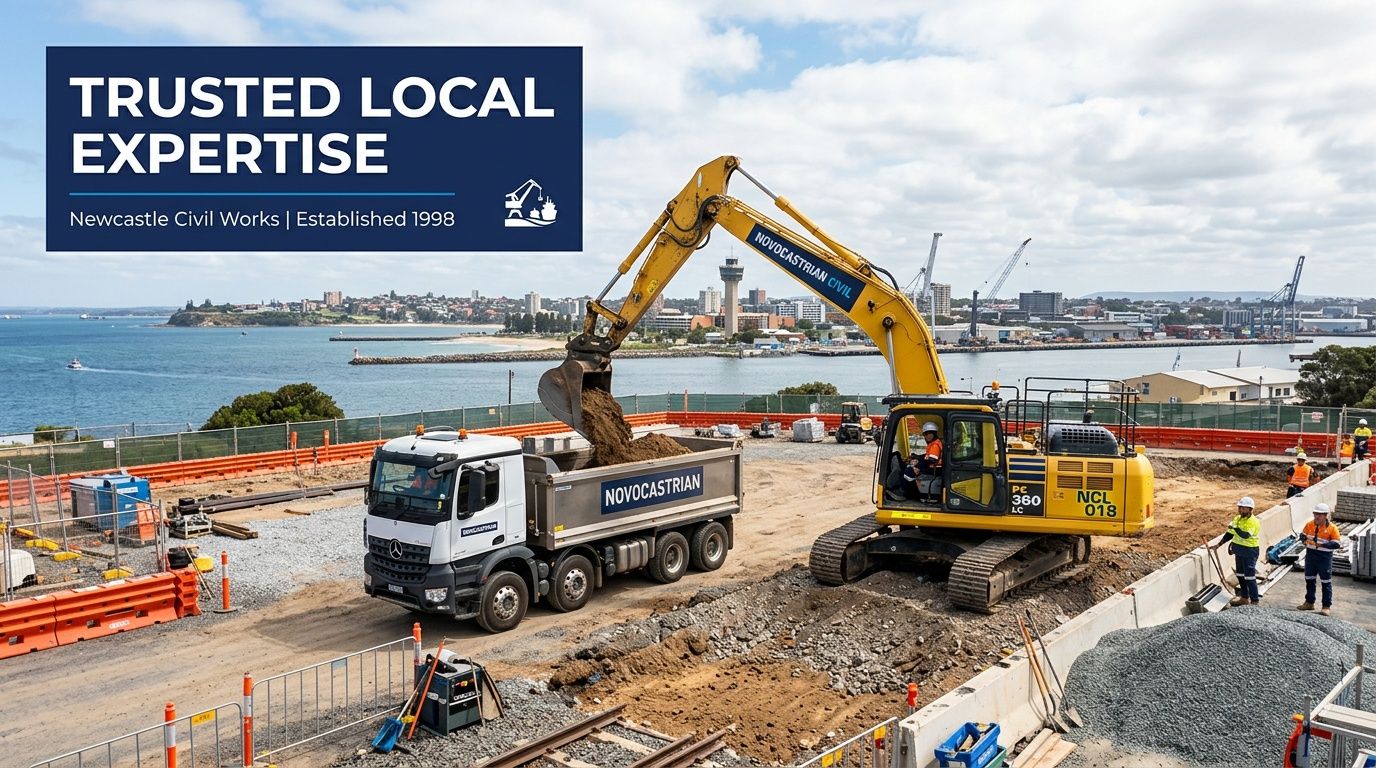
A practical service model works better than isolated hire
On local jobs, delays usually come from coordination failures, not digging speed. If haulage arrives late, spoil gets stockpiled in the wrong place. If the machine is too large for the access path, time is lost repositioning and protecting fences, services or finished surfaces. If the site cut is near a boundary or footing, the method has to be thought through before the first bucket goes in.
That is why many clients prefer excavation, haulage and site preparation to be planned together. Total project cost is easier to control when one crew is responsible for machine selection, truck movements, spoil removal and site readiness, especially on narrow suburban blocks around Newcastle, Lake Macquarie and the lower Hunter.
Why clients often prefer a contractor-led approach
A contractor-led service generally suits residential and small commercial work where the excavation ties directly into drainage, slabs, retaining walls, driveways or service trenches. The client is not left coordinating separate operators, truck drivers and clean-up at each stage.
Booms Up Civil Group handles excavation, haulage, earthworks and related site preparation across Newcastle, the Hunter, the Central Coast and Sydney. For a first-time client, that setup usually means fewer variations caused by miscommunication, and fewer compliance issues caused by gaps between trades.
Local operating experience becomes critical here. A block in Merewether or inner Newcastle might have restricted access, nearby structures and very little room for spoil. A site further out in the Hunter can bring reactive clay, soft ground after rain, or longer haul distances that change truck scheduling and disposal cost.
What tends to work best on local jobs
The jobs that stay under control usually have four things sorted early:
- A machine matched to the site: Access width, swing room, ground pressure and spoil path are assessed together.
- A scope that is clear enough to price properly: Dig depth, finished levels, spoil destination and any imported material are agreed before work starts.
- Safety controls that fit the site: Underground services, pedestrian areas, traffic interface and existing structures are identified before excavation begins.
- Logistics that support production: Trucks, attachments and sequence are arranged to keep the machine working instead of waiting.
That approach matters on occupied residential sites, where one poor decision can lead to driveway damage, extra cartage, rehandling of spoil or a stop to sort out a service strike risk. Clients tend to choose Booms Up Civil when they want the excavation completed with those risks accounted for upfront, not discovered halfway through the job.
If you'd like practical advice on excavator hire Newcastle, site cuts, driveway prep, spoil removal or full excavation works, Booms Up Civil Group can help you assess the scope and talk through the safest, most cost-effective way to tackle it. You can get in touch by phone, email or through the online enquiry form for a straightforward quote and site-specific advice.