So, you're ready to hire an excavator on the Central Coast. Smart move. But before you get that machine on-site, there's one key decision that shapes everything else: are you going for wet hire (with a skilled operator) or dry hire (just the machine)?
Getting this right from the start is the difference between a smooth-sailing project and one that gets bogged down in delays and budget blowouts. We've seen it all in our 15+ years working across the Coast, and this guide is designed to help you make the smart choice for your job, whether it's a small backyard dig or a major site cut.
Wet Hire vs Dry Hire: What's the Right Call for Your Project?
When you’re staring down the barrel of a big job, whether it's clearing a block in Gosford or digging foundations for a new build in Avoca Beach, understanding your hire options is step one. This choice fundamentally shapes your project's budget, timeline, and who's responsible for what happens on site. Let's break it down in plain English.
Wet Hire: The All-in-One Solution
Let's be clear: wet hire is the go-to for a reason. You're not just getting the machine; you're getting a fully licenced and seasoned operator delivered with it. This is hands-down the best choice for homeowners and most builders who don't have a ticketed operator on the payroll.
Think about it. The operator’s local knowledge of the Central Coast’s ground conditions—from the soft, sandy soils along the coast to the tough clay inland—is gold. It means the job gets done safely, efficiently, and correctly the first time. No guesswork, no rookie mistakes.
Dry Hire: When You've Got the Expertise In-House
If you or someone on your crew holds the right licences (tickets) and has logged serious hours on the sticks, then dry hire is a solid, practical option. A supplier like Booms Up Plant Hire will drop the machine at your site, and you take it from there.
This route can definitely save you money on the hourly rate, but it comes with a big trade-off. You're taking on full responsibility for everything: safe operation, the quality of the work, and making sure every cut and fill meets Australian Standards.
To make the choice crystal clear, let's break it down side-by-side.
Wet Hire vs Dry Hire: A Quick Comparison
| Consideration | Wet Hire (With Operator) | Dry Hire (Machine Only) |
|---|---|---|
| Expertise | Includes a licenced, experienced operator with local knowledge. | Requires you to provide your own licenced and competent operator. |
| Responsibility | The hire company is responsible for the operator and machine performance. | You are fully responsible for safety, operation, and any damage. |
| Efficiency | High. An expert operator works faster and more precisely. | Varies. Depends entirely on your operator's skill level. |
| Cost | Higher hourly rate, but often lower total project cost due to speed. | Lower hourly rate, but potential for higher costs from mistakes or delays. |
| Best For | Most residential, commercial, and complex projects. Homeowners and builders without in-house operators. | Licenced contractors, experienced builders, and those with a qualified team. |
| Insurance | The operator and machine are covered by the hire company's insurance. | You must have your own comprehensive public liability and plant insurance. |
At the end of the day, there's no single right answer, but there's usually a smarter one for your specific situation. Don't just look at the hourly rate; consider the total value and the risk you're willing to take on.
The right choice really boils down to your team's skills and your project's complexity. For most residential jobs, the sheer efficiency and safety net provided by an experienced operator in a wet hire package far outweighs the hourly cost difference. Our comprehensive guide to excavation on the Central Coast offers more insights to help you plan.
Choosing the Right Excavator for Your Project
Matching the excavator to your specific job and the local ground conditions is probably the most critical decision you'll make when planning an excavator hire on the Central Coast. Get it wrong, and you're just wasting time and money. But the right machine? That means efficiency and safety from the moment it rolls off the truck.
Matching Machine Size to Your Site
For those tight-access residential blocks you see all over Woy Woy or Umina Beach, a mini excavator is almost always the perfect fit. These nimble machines, typically in the 2.6 to 5.9-tonne range, can squeeze down narrow side paths for trenching or a pool dig without tearing up the whole property. They also pack a surprising amount of punch for their size.
But let's say you're tackling a steeper, more challenging block in Terrigal or a larger rural property out near Kulnura. This is where a mid-size machine (6 to 10 tonnes) gives you the extra reach and grunt needed for serious earthmoving or clearing. For the big commercial works in hubs like Wyong or Tuggerah, you'll need the larger 16 to 20-tonne models, but be warned—these demand much wider access routes.
This infographic can help you make that fundamental first choice: do you need just the machine, or the machine plus an operator?
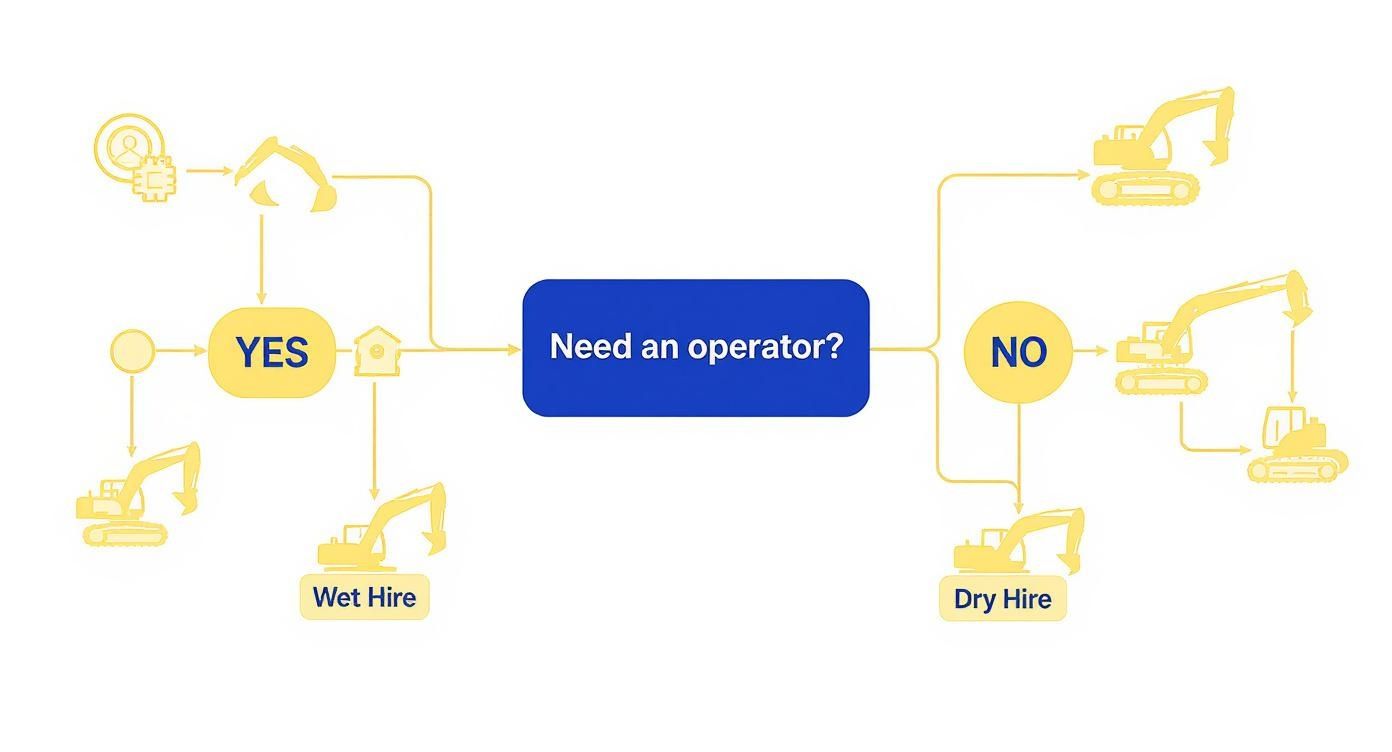
As you can see, the decision really hinges on whether you have a licenced, competent operator ready to jump in the seat.
Key Factors Beyond Tonnes
Beyond the machine's sheer weight, you have to think about its capabilities. What digging depth do you need for your foundations? What's the right bucket size for efficient spoil removal? Do you need a zero-tail swing model to work safely next to a building or retaining wall? Every one of these details has a direct impact on your project's success.
Understanding the Central Coast’s varied ground is just as important as the machine itself. The sandy, collapsible soils in Erina and Forresters Beach behave very differently from the reactive clays found further inland. The right machine choice depends heavily on these local conditions.
The demand for smaller, more versatile machines is definitely on the rise. In fact, the machinery rental industry in Australia is forecast to hit $12.2 billion, with mini excavator rentals growing at 5-8% annually. This boom is driven by all the residential and small commercial projects happening across our region. You can dig deeper into these machinery rental industry trends on ibisworld.com.
Finally, don't forget the attachments. The excavator itself is just the starting point; the right tools are what really make the difference. From rock breakers for that stubborn sandstone to augers for pier holes, having the correct equipment on hand saves an immense amount of time and labour. It’s well worth checking out a complete guide to excavator attachments to see what's possible.
Getting Your Site Ready for a Smooth Hire
Prepping your site before the excavator shows up is one of the smartest moves you can make. Honestly, a bit of groundwork on your end goes a long way. It means our team can get straight into the real work the moment we arrive, which saves you both time and money.
The very first thing to do is walk the property and map out clear, safe access. Think about those narrow laneways you see around Long Jetty or the steep, winding driveways common in Copacabana. Can our delivery truck and float actually get in and out without a headache? We need a solid plan for entry, exit, and where the machine will be positioned on-site.
Clearing the Way for Safety and Efficiency
Before any digging can start, you absolutely have to identify all overhead power lines and underground services. This isn't just a friendly suggestion; it's a non-negotiable safety rule under SafeWork NSW regulations. The last thing anyone wants is a costly—and dangerous—utility strike.
You can get a free Dial Before You Dig (DBYD) report which maps out the major utilities like gas, water, and telecommunications. If your site is particularly sensitive or you know there are a lot of underground services, looking into non-destructive vacuum excavation methods can be a game-changer for a safer, smoother project. It's also a huge help if you can clear the immediate work area of any debris, rubbish, or stored materials that might get in the way.
Pro Tip: Snap a few photos of your site before we start, especially of the driveway, footpaths, and even your neighbours' properties. It creates a clear record of the site's condition and can help sidestep any potential disagreements later on.
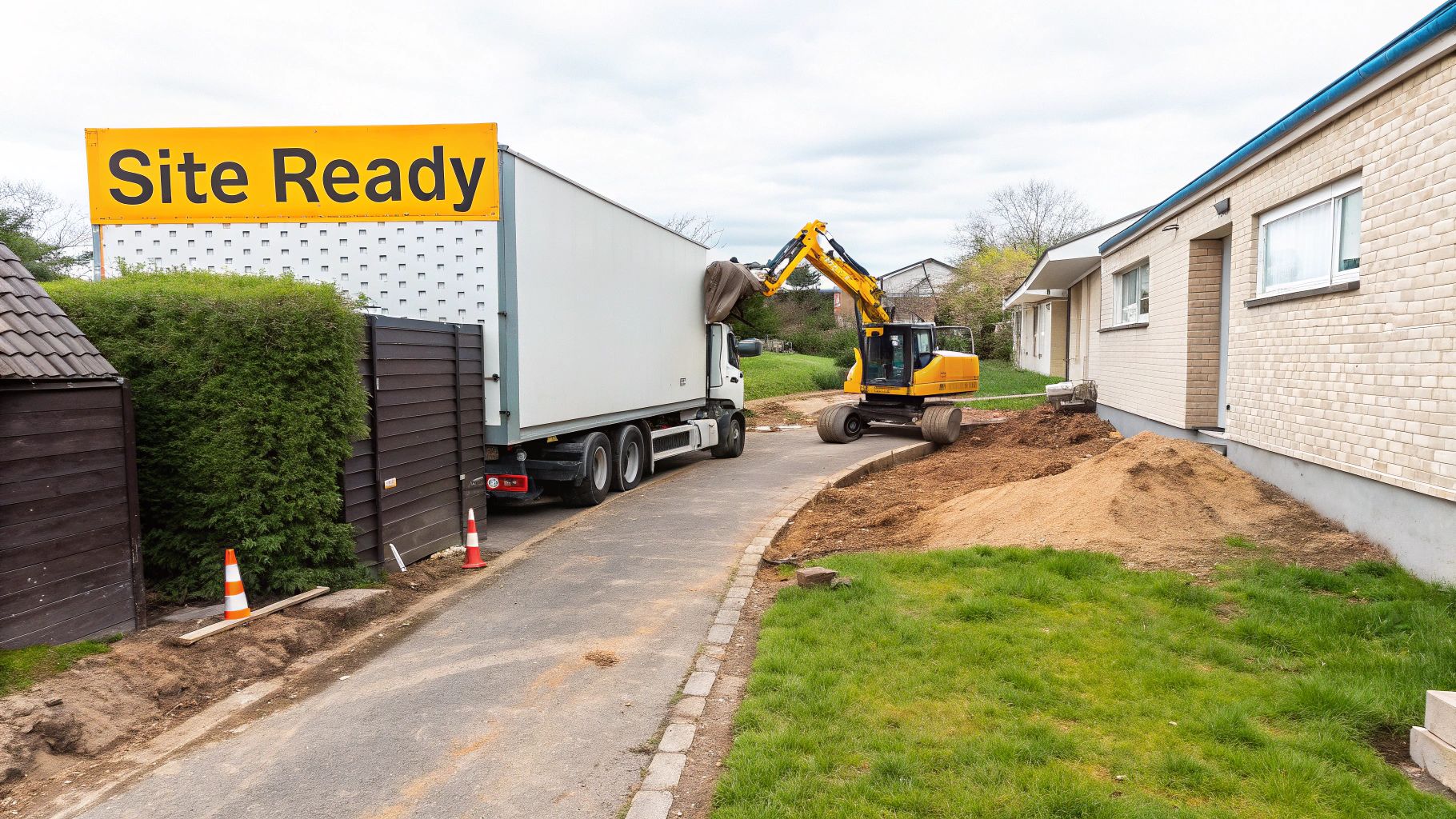
Here on the Central Coast, the weather is always a factor. A couple of days of heavy winter rain can turn a site into a mud pit overnight, making access tricky and slowing everything down. If your property is prone to getting boggy, just give us a heads-up. We can plan around it, maybe by scheduling for a drier spell or bringing in extra ground protection. For a more detailed look at getting your block ready, check out our guide to essential steps for site preparation before excavation.
Finally, a quick word on timing. Booking your excavator hire on the Central Coast at least two weeks in advance is always a good idea, especially during the busy building seasons in spring and autumn. This makes sure you get the right machine and operator locked in for your preferred dates. When you call, just have your site address and a few project details handy so we can confirm availability and give you an accurate quote right away.
Understanding Costs: Wet Hire vs. Dry Hire
When you’re budgeting for an excavator hire on the Central Coast, it’s all too easy to just look at the hourly rate. But the real cost of your project is much bigger than that, and it all comes down to one crucial decision: wet hire (machine with an operator) or dry hire (machine only).
Wet hire always looks more expensive on paper. Of course it does—you’re not just getting the machine, you’re getting an experienced, licenced operator behind the controls. This isn't just about labour; it's about paying for efficiency, safety, and local knowledge. A good operator knows the difference between the sandy soils of Wamberal and the heavy clay in Lisarow, and that experience means the job gets done right, the first time.
Dry hire, on the other hand, has a lower hourly rate that can be seriously tempting. If you already have a fully ticketed and skilled operator on your crew, it can be the smarter financial move. For those situations, a reliable supplier like Booms Up Plant Hire provides the dry hire excavator you need, while you take care of the operation.
Comparing the True Costs of Wet and Dry Hire
So, how do you decide? It's not about the hourly rate; it’s about the total project cost.
Imagine you're tackling a small residential job. Wet hire might seem pricey per hour, but an expert operator who’s in an excavator every day could knock the whole thing over in 8 hours. A less experienced operator might take 12 hours—or more—to do the same work.
All of a sudden, that "cheaper" dry hire option starts to add up. Once you factor in your operator's wages, the extra machine time, and the higher risk of mistakes or rework, the all-inclusive wet hire fee often comes out ahead. You have to look at the bigger picture.
Across Australia, the average wet hire rate for a mini excavator is about $106 per hour, while dry hire sits closer to $47 per hour. But that’s just the start. You also need to think about mobilisation fees (getting the machine to and from your site), which can add anywhere from $650 to $2,000 to the bill. For a deeper dive into these numbers, this comprehensive guide to excavator hire rates in Australia on felix.net is a great resource.
To help you get a feel for the numbers, here’s a quick look at what you can expect for mini excavators on the Central Coast.
Sample Hire Rates for Mini Excavators
A look at typical hourly and mobilisation rates to help you compare wet vs dry hire on the Central Coast.
| Excavator Size | Wet Hire Rate (Approx.) | Dry Hire Rate (Approx.) |
|---|---|---|
| 1.7 Tonne | $95 – $115 per hour | $45 – $60 per hour |
| 3.5 Tonne | $105 – $125 per hour | $50 – $65 per hour |
| 5.5 Tonne | $115 – $140 per hour | $60 – $80 per hour |
Remember, these are just ballpark figures. Always get a detailed quote that includes any extra costs like mobilisation, fuel, and attachments to get a true comparison.
Hidden Costs to Look Out For
The hourly rate is just one line item. To avoid bill shock at the end of your project, make sure you ask your supplier about these potential add-ons before you sign anything.
- Mobilisation and Demobilisation: This is the fee for getting the excavator to your site and taking it away again. It’s usually a flat fee and gets more expensive for bigger machines or for sites in more remote spots like Yarramalong.
- Penalty Rates: Thinking about a weekend or public holiday job? Expect to pay penalty rates, which can seriously inflate the hourly cost. Always confirm this upfront.
- Attachments: If you need more than just a bucket—like an auger for post holes or a rock breaker for that classic Central Coast sandstone—each attachment comes with its own hire fee. Make sure to factor these into your budget.
- Fuel: This is a big one. With dry hire, you’re almost always on the hook for refuelling the machine. Wet hire packages, on the other hand, usually include fuel, which is one less thing for you to worry about.
This data shows that clear price gap between wet and dry hire, which really drives home why you need to estimate your total project time to figure out which option is genuinely more economical.
Key Takeaway: The cheapest hourly rate is rarely the cheapest total cost. Factor in your operator's efficiency, insurance, fuel, and potential for delays. For most projects, the value and peace of mind from a professional wet hire package deliver a better return on investment.
Ultimately, the right choice really depends on your team's skills and the complexity of your job. A well-thought-out budget looks at every single one of these variables. If you’re trying to find reliable excavation services near you, the best thing you can do is ask for a detailed quote that breaks down all these costs. That’s how you avoid any nasty surprises.
Safety Compliance And What To Ask Your Supplier
Before you lift a bucket, take a moment to understand your responsibilities on the Central Coast. Local Council approvals can differ by suburb and project scale—getting in touch with Central Coast Council early will save you time and money down the track.
At Booms Up Civil Group, safety isn’t negotiable. We operate under SafeWork NSW guidelines and meet every relevant Australian Standard to ensure each job runs smoothly and securely. For a solid overview of industry best practices, familiarise yourself with these proven workplace safety procedures.
Key Questions For Your Hire Company
A top-notch supplier won’t mind you grilling them. In fact, they’ll welcome the chance to prove their professionalism.
• Do they hold current public liability and plant & equipment insurance certificates?
• If you’re choosing wet hire, can they present the operator’s High Risk Work (HRW) licence for the machinery on site?
• What’s their service routine? Ask how often each excavator is inspected and what fallback plan they have for on-site breakdowns.
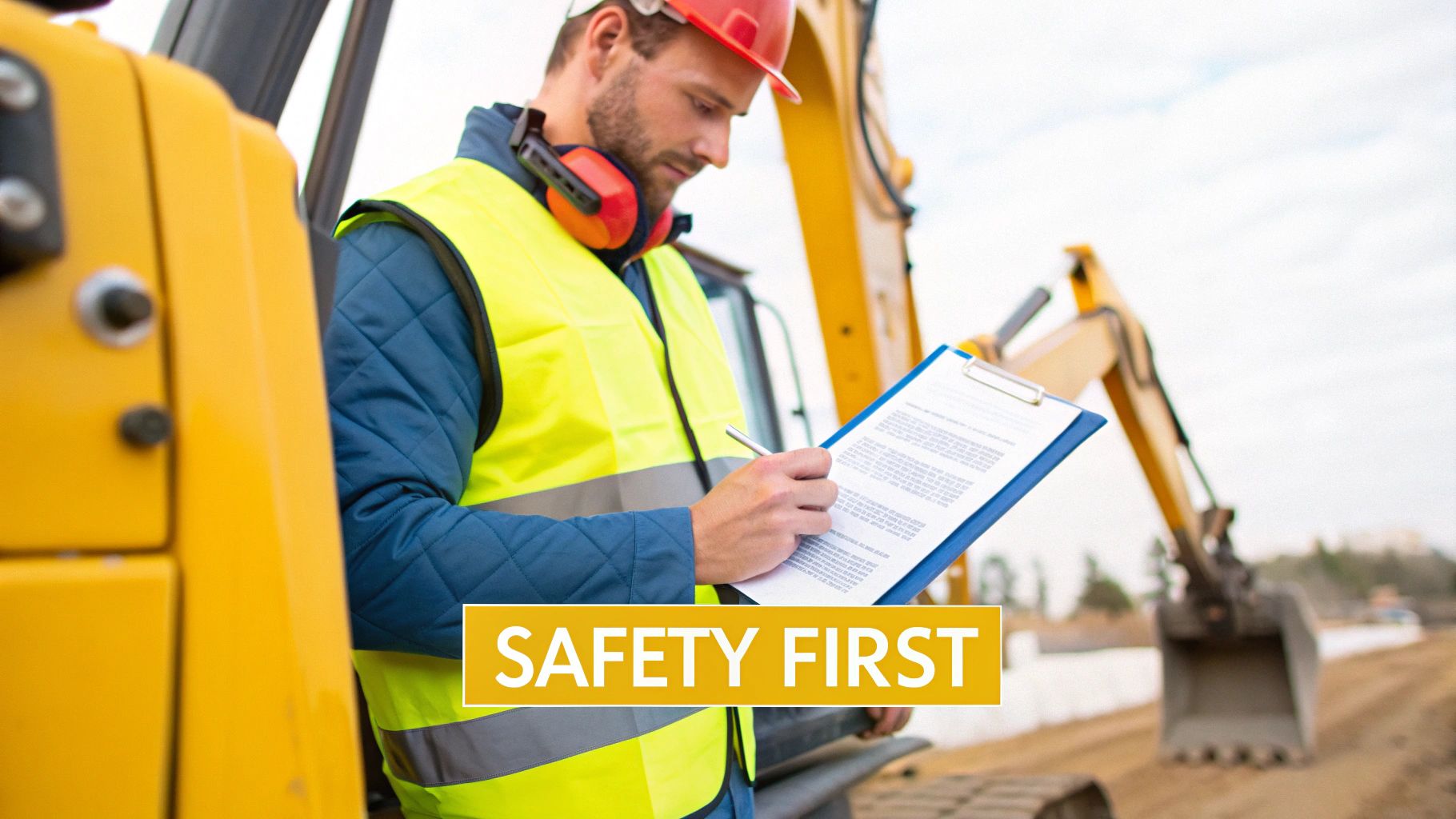
The spike in demand for skilled operators makes wet hire packages an incredibly smart move—combining machine power with hands-on expertise.
Why Experienced Operators Matter More Than Ever
Skilled-labour shortages are real, and they hit site productivity hard. By booking wet hire for your excavator hire on the Central Coast, you secure both a machine and a seasoned operator who knows exactly how to handle local ground conditions.
A reliable excavator is only as good as its upkeep. Confirm service intervals and emergency response procedures before signing off—this one conversation can prevent costly downtime.
Don’t forget to clarify whether you’re after excavation only or a full demolition service. The technical requirements and safety checks vary significantly. For a clear breakdown, see our guide on the key differences between demolition and excavation. Laying out your exact needs in advance helps your supplier deliver on time, on budget, and without surprises.
Common Excavator Hire Questions Answered
We get a lot of questions about planning an excavator hire on the Central Coast, and for good reason. Thinking through the details upfront saves a massive amount of hassle later on. Here are the straight answers to a few of the most common queries we get, designed to help you plan your project with a bit more confidence.
Do I Need A Special Licence For Dry Hire?
Yes, you absolutely do. To operate an excavator of any size in NSW, the person behind the controls must hold the right competency. This is usually a Statement of Attainment for the specific class of machine, like the Conduct Civil Construction Excavator Operations (RIIMPO320F) ticket.
For bigger or more complex gear, a High Risk Work (HRW) licence might even be needed.
If you’re thinking about dry hire, it’s non-negotiable to confirm the exact licencing requirements with your supplier. For instance, when you sort out a dry excavator hire on the Central Coast through Booms Up Plant Hire, they’ll need to see that your operator holds the correct and current tickets before that machine even thinks about leaving the yard. Safety and compliance are everything.
What Is The Main Advantage Of Wet Hire?
The single biggest advantage of wet hire is peace of mind. Simple as that. You aren't just getting a piece of machinery; you're getting a fully licenced, insured, and highly experienced operator who knows that machine inside and out. They understand how to work safely and efficiently, navigating the unique quirks and challenges of Central Coast sites.
An experienced operator can often get a job done in a fraction of the time it would take someone less familiar with the machine. This efficiency frequently makes wet hire more cost-effective in the long run, even with a higher hourly rate.
This kind of expertise seriously reduces your project risk, lifts the quality of the work, and ensures you can handle any on-site curveballs that pop up. For homeowners or builders without a dedicated plant operator on the team, the value of this all-in-one solution is immense.
How Much Notice Do I Need To Give?
We always recommend trying to book your excavator hire at least one to two weeks in advance. The building seasons on the Central Coast, especially around spring and autumn, can get incredibly busy. Giving us a bit of a heads-up gives you the best chance of locking in the right-sized machine and a skilled operator for your preferred dates.
Of course, for larger projects needing more specialised equipment or for jobs on a tight deadline, even more notice is always a good idea. A quick phone call is all it takes to check our availability and get your project locked into the schedule.
Ready to get your project moving with the right advice and equipment? The team at Booms Up Civil Group has over 15 years of experience getting things done on the Central Coast. We can help you plan your excavation from start to finish.
Get a free, no-obligation quote online or give us a call to chat about your project.