
Land clearing in NSW requires careful compliance with complex regulations managed by Local Land Services, councils, and NSW Environment and Heritage. Key considerations include permit requirements for native vegetation removal, bushfire protection zones under 10/50 and rural boundary clearing codes, environmental assessments for protected species, council approvals for urban areas, and professional clearing services for safe, compliant vegetation management. Understanding NSW land clearing laws is essential for residential developments, commercial projects, and rural property management across Central Coast, Sydney, Newcastle, and Hunter Valley regions.
Understanding NSW Land Clearing Regulations: A Complex Landscape
Land clearing in New South Wales operates under one of Australia’s most comprehensive regulatory frameworks, designed to balance development needs with environmental protection. The system involves multiple government agencies, each with specific jurisdictions and requirements that property owners must navigate carefully.
NSW Environment and Heritage defines land clearing as “cutting down, felling, thinning, logging, removing, killing, destroying, poisoning, ringbarking, uprooting or burning native vegetation.” This broad definition means almost any interaction with native plants on your property falls under regulatory oversight.
The regulatory complexity stems from NSW’s diverse ecosystems and the need to protect threatened species whilst allowing reasonable land use. For property owners across the Central Coast, Newcastle, Sydney, and Hunter Valley, understanding these regulations is crucial before undertaking any vegetation management projects.
At Booms Up Civil Group, we navigate this regulatory landscape daily, ensuring our land clearing services comply fully with all applicable NSW laws whilst delivering efficient project outcomes for our clients.
Who Regulates Land Clearing in NSW?
Local Land Services: Rural Area Management
Local Land Services manages land clearing approvals for rural areas under the Land Management (Native Vegetation) Code. This comprehensive framework categorises rural land into different classes, each with specific clearing allowances and restrictions.
For rural properties throughout the Hunter Valley and outer areas of the Central Coast, Local Land Services oversees clearing activities including pasture expansion, invasive species management, and farm planning initiatives. Their Land Management Framework provides structured pathways for vegetation management whilst maintaining environmental protections.
Council Approvals: Urban and Peri-Urban Areas
Local councils manage native vegetation clearing in urban areas and land zoned for environmental protection. The State Environmental Planning Policy (Vegetation in Non-Rural Areas) 2017 provides the framework councils use to regulate clearing in residential and commercial zones.
For developments across Central Coast suburbs like Gosford, Terrigal, and Woy Woy, council permits are typically required before clearing native vegetation. Each council maintains specific Development Control Plans identifying which vegetation requires permits based on species, size, location, or ecological significance.
NSW Environment and Heritage: Oversight and Compliance
NSW Environment and Heritage provides oversight across the entire land clearing framework, managing compliance and enforcement activities. They coordinate with Local Land Services and councils to ensure consistent application of vegetation protection laws throughout the state.
Environmental compliance becomes particularly important for large-scale commercial and infrastructure projects across Sydney and Newcastle, where clearing activities may impact threatened species or ecological communities.
Land Categories and Clearing Permissions
Category 1-Exempt Land
Category 1-exempt land includes areas already cleared as of January 1990, lawfully cleared between 1990 and current regulations, or containing low conservation value grasslands. Property owners can generally clear vegetation on exempt land without specific approvals, though other environmental laws may still apply.
Many established residential areas across Central Coast suburbs fall into this category, allowing reasonable vegetation management for property maintenance and development. However, confirmation of land category status is essential before proceeding with clearing activities.
Category 2-Regulated Land
Category 2-regulated land contains native vegetation requiring protection under NSW biodiversity conservation laws. Clearing on regulated land typically requires formal approvals through Local Land Services or the Native Vegetation Panel, depending on project scale and environmental sensitivity.
Rural properties throughout the Hunter Valley often contain regulated land, requiring careful planning and approval processes before vegetation management can proceed. Professional assessment helps identify regulated areas and determine appropriate clearing pathways.
Environmentally Sensitive Areas
Certain areas receive additional protection due to their ecological significance, including critical habitat for threatened species, critically endangered ecological communities, and areas subject to biodiversity agreements. Clearing in these areas faces strict limitations or may be prohibited entirely.
Properties along waterways, coastal areas, and remnant bushland corridors throughout the Central Coast and Sydney regions often contain environmentally sensitive vegetation requiring specialised management approaches.
Bushfire Protection: 10/50 and Rural Boundary Clearing
The 10/50 Vegetation Clearing Code
The NSW Rural Fire Service’s 10/50 Code allows property owners in designated bushfire-prone areas to clear vegetation within 10 metres of buildings and selectively clear trees within 50 metres for bushfire protection.
Many properties across the Central Coast, particularly in bushland interface areas around Gosford, Wyoming, and Mount White, qualify for 10/50 clearing. This code provides important bushfire protection options whilst maintaining environmental safeguards for threatened species and ecological communities.
The 10/50 Code includes specific restrictions protecting riparian zones, steep slopes over 18 degrees, and areas containing critically endangered species or communities. Professional assessment ensures clearing activities comply with all code requirements whilst maximising bushfire protection benefits.
Rural Boundary Clearing
The Rural Boundary Clearing Code allows landholders in designated rural areas to clear vegetation within 25 metres of property boundaries to create firebreaks and reduce bushfire transmission between properties. This code applies to specific rural zones identified as bushfire-prone.
Rural properties throughout the Hunter Valley and outer Central Coast areas may qualify for boundary clearing, providing additional bushfire protection options beyond the 10/50 Code. Like all clearing activities, boundary clearing includes environmental protections and must be undertaken in accordance with specific code requirements.
Environmental Assessments and Biodiversity Considerations
Threatened Species and Ecological Communities
NSW hosts numerous threatened species and critically endangered ecological communities requiring protection from clearing activities. Before undertaking vegetation management, property owners must assess whether their land contains habitat for protected species or forms part of significant ecological communities.
The diverse ecosystems across Central Coast, Newcastle, Sydney, and Hunter Valley regions support various threatened species, from coastal saltmarsh communities to woodland-dependent fauna. Professional ecological assessment identifies constraints and opportunities for vegetation management whilst protecting biodiversity values.
Biodiversity Offset Requirements
Large-scale clearing projects exceeding the Biodiversity Offsets Scheme threshold require biodiversity offsets to compensate for environmental impacts. These requirements apply to major developments and infrastructure projects throughout the state.
Understanding offset requirements early in project planning helps developers and contractors budget appropriately and identify suitable offset sites or credit purchases. Professional environmental advice ensures compliance with biodiversity offset obligations.
Riparian Zone Protections
Vegetation along waterways receives special protection under both clearing codes and water management legislation. Riparian buffers help protect water quality, prevent erosion, and maintain aquatic habitats throughout NSW.
Properties containing creeks, rivers, or wetlands across all our service regions require careful assessment of riparian vegetation before clearing activities commence. Professional advice ensures compliance with water protection requirements whilst achieving project objectives.
The Land Clearing Approval Process
Initial Property Assessment
Successful land clearing projects begin with comprehensive property assessment to identify vegetation types, land categories, environmental constraints, and applicable regulatory requirements. This assessment forms the foundation for all subsequent planning and approval activities.
Professional assessment services examine aerial photographs, vegetation maps, threatened species records, and regulatory mapping to provide detailed analysis of clearing opportunities and constraints. This upfront investment prevents costly delays and compliance issues during project execution.
Permit Applications and Documentation
Depending on land category and clearing scope, projects may require applications to Local Land Services, council development applications, or Native Vegetation Panel submissions. Each pathway has specific documentation requirements and assessment processes.
Successful applications include detailed vegetation surveys, environmental impact assessments, proposed clearing methodologies, and mitigation measures for identified constraints. Professional preparation improves approval success rates and reduces assessment timeframes.
Compliance Monitoring and Reporting
Approved clearing activities often include conditions requiring ongoing monitoring and reporting to ensure compliance with environmental protections. These requirements may include pre-clearing surveys, clearing supervision, and post-completion reporting.
Professional compliance management ensures all conditions are met whilst maintaining project schedules and budgets. Proper documentation also provides protection against future compliance queries or enforcement actions.
Common Land Clearing Scenarios in NSW
Residential Development Preparation
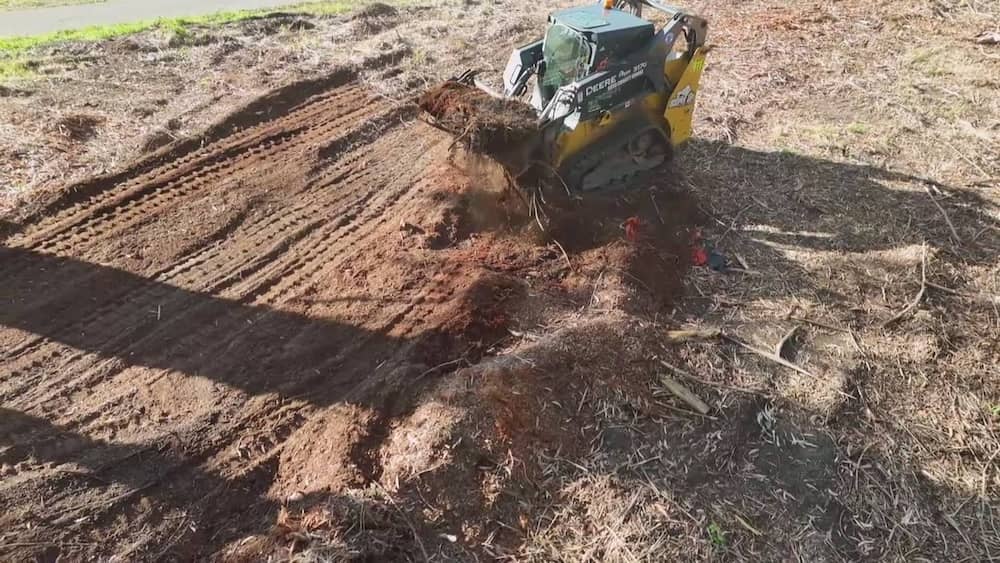
New residential developments across growing areas of the Central Coast, Newcastle, and Sydney’s outer suburbs require careful vegetation management to prepare building sites whilst complying with environmental requirements. This process typically involves selective clearing to preserve significant trees whilst removing vegetation from building envelopes and access areas.
Residential clearing projects often trigger council development consent requirements, particularly in areas containing native vegetation or threatened species habitat. Early engagement with council and environmental consultants helps streamline approval processes and identify design opportunities that minimise clearing requirements.
Our residential land clearing expertise includes working closely with builders, developers, and homeowners to achieve compliant clearing outcomes whilst preserving valuable landscape features and minimising project costs.
Commercial and Industrial Site Preparation
Large-scale commercial developments throughout the Hunter Valley and Sydney regions often involve extensive vegetation management to prepare sites for construction. These projects frequently encounter complex regulatory requirements due to their scale and potential environmental impacts.
Commercial clearing projects may require Environmental Impact Statements, biodiversity offset arrangements, and comprehensive management plans addressing all phases of site preparation. Professional project management ensures regulatory compliance whilst maintaining construction schedules and budgets.
Industrial site preparation often involves coordinating clearing activities with earthmoving operations and infrastructure installation, requiring experienced contractors familiar with multi-phase construction projects.
Rural Property Management
Rural properties throughout the Hunter Valley and outer Central Coast areas require ongoing vegetation management for agricultural productivity, bushfire protection, and property maintenance. This management operates under the Land Management Framework administered by Local Land Services.
Rural clearing activities may include pasture expansion, invasive species control, fire trail maintenance, and selective timber harvesting. Each activity type has specific regulatory requirements and may require approval through different pathways under the Land Management Code.
Professional rural land management helps property owners develop comprehensive vegetation management plans that balance productivity goals with environmental compliance and bushfire protection requirements.
Asset Protection and Bushfire Management
Bushfire protection remains a critical consideration for properties across NSW, particularly following the 2019-2020 bushfire season. Asset Protection Zones (APZ) around buildings and infrastructure require careful vegetation management to reduce fire risk whilst maintaining environmental compliance.
Professional bushfire risk assessment identifies optimal vegetation management strategies for each property, considering factors such as slope, aspect, vegetation types, and proximity to assets. These assessments guide clearing activities under 10/50 Code provisions or specific bushfire management plans.
Fire trail construction and maintenance throughout rural properties requires balancing access requirements with environmental protection, often involving selective clearing and ongoing vegetation management along designated
corridors.
Professional Land Clearing Equipment and Techniques
Selective Clearing Methods
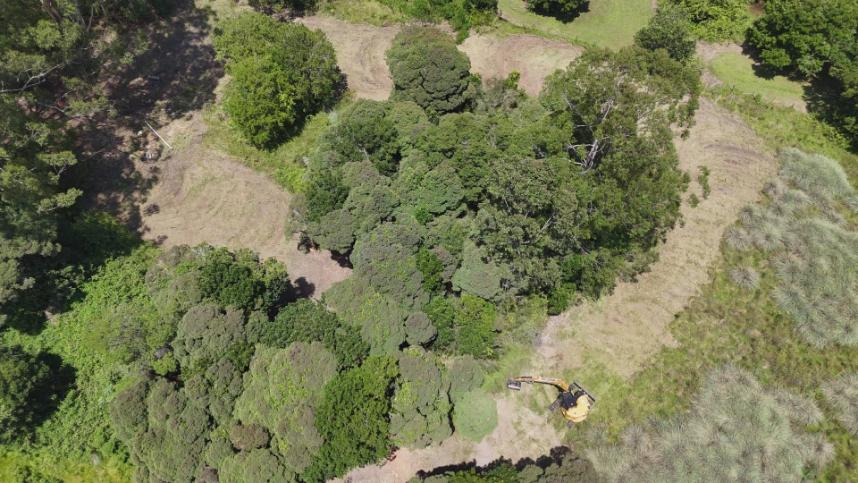
Modern land clearing techniques emphasise selective approaches that preserve valuable vegetation whilst removing unwanted species or preparing designated areas for development. These methods require skilled operators and specialised equipment to achieve precise outcomes.
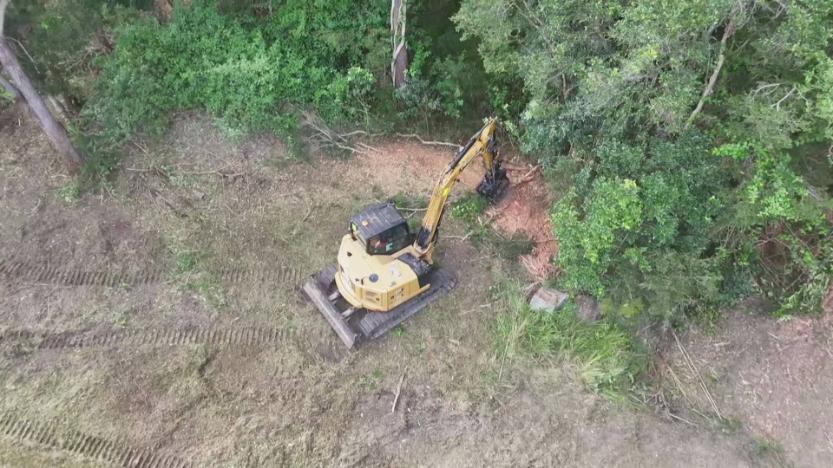
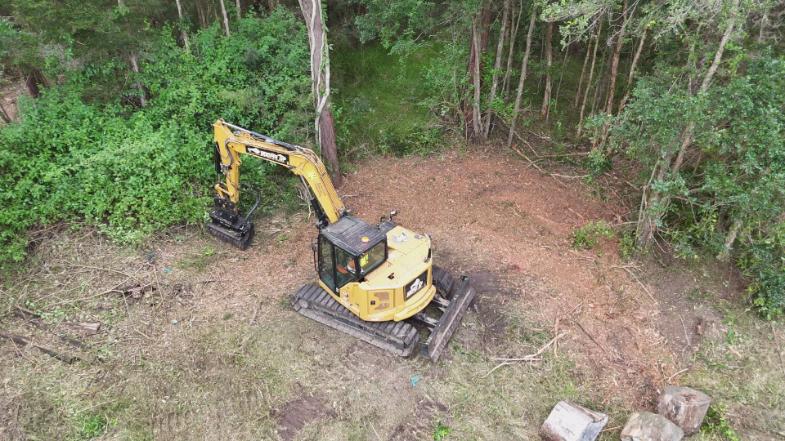
Selective clearing often utilises smaller excavators with specialised attachments, allowing operators to work around retained trees and minimise soil disturbance. This approach proves particularly valuable in environmentally sensitive areas or where maintaining existing landscape character is important.
Mulching and On-Site Processing
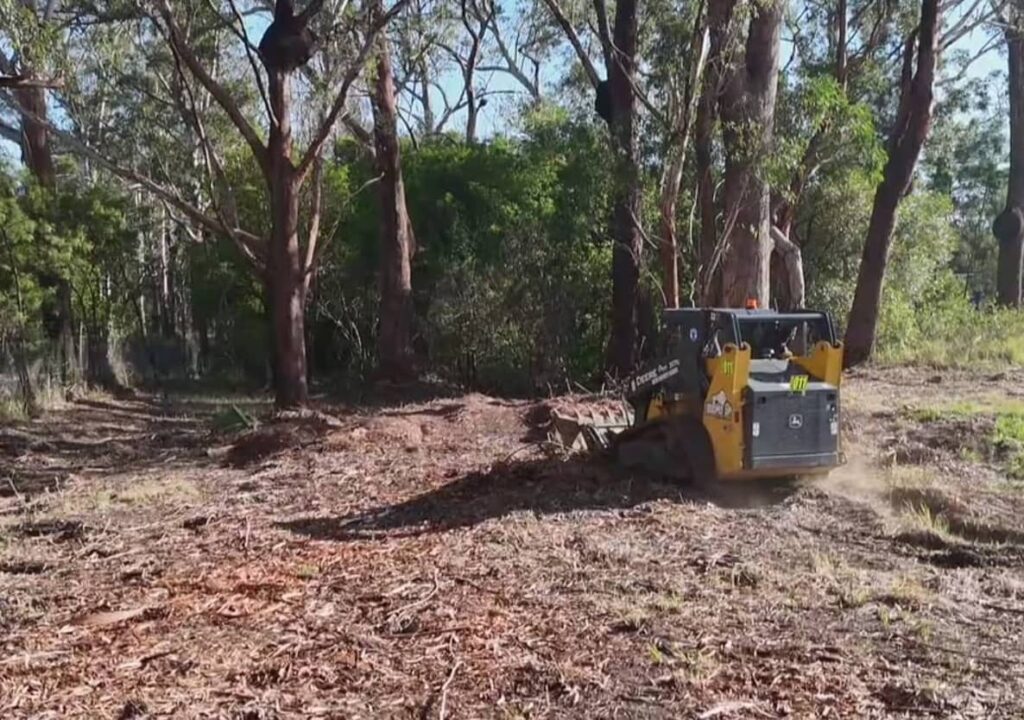
Forestry mulching equipment processes cleared vegetation on-site, reducing waste disposal requirements and providing valuable organic matter for soil improvement. Mulching proves particularly effective for understorey clearing and invasive species management.
On-site processing reduces truck movements and associated costs whilst providing environmental benefits through nutrient cycling and soil protection. Professional mulching services can process various vegetation types whilst maintaining compliance with clearing approvals and environmental requirements.
Specialised Access Equipment
Many clearing projects involve challenging access conditions, steep terrain, or proximity to sensitive areas requiring specialised equipment and techniques. Tracked machines, remote-controlled equipment, and helicopter-assisted clearing provide solutions for difficult sites.
Our expertise in difficult access excavation extends to challenging land clearing projects, ensuring professional outcomes regardless of site constraints or access limitations.
Environmental Best Practices and Sustainability
Threatened Species Protection
Professional land clearing incorporates comprehensive threatened species protection measures, including pre-clearing surveys, fauna relocation services, and habitat retention strategies. These measures ensure regulatory compliance whilst minimising environmental impacts.
Timing restrictions may apply to clearing activities during breeding seasons or migration periods for particular species. Professional project planning incorporates these constraints to maintain schedules whilst respecting wildlife protection requirements.
Habitat enhancement opportunities often accompany clearing projects, including weed removal, native replanting, and habitat structure installation. These initiatives can provide biodiversity offsets whilst improving overall environmental outcomes for the property.
Soil and Water Protection
Land clearing activities must incorporate erosion control measures, sediment management, and water quality protection to comply with environmental regulations and maintain site stability. These measures become particularly important on sloping sites or areas adjacent to waterways.
Professional erosion control includes strategic retention of stabilising vegetation, installation of sediment barriers, and progressive revegetation of cleared areas. These techniques prevent soil loss whilst maintaining access for construction activities.
Water quality protection measures include buffer zone maintenance around waterways, controlled access routes, and appropriate timing of clearing activities to avoid high-rainfall periods when erosion risks increase.
Waste Management and Resource Recovery
Sustainable land clearing emphasises resource recovery through timber salvage, mulch production, and biomass utilisation rather than simple waste disposal. These approaches reduce environmental impacts whilst providing economic benefits for property owners.
Quality timber recovered from clearing operations can provide valuable construction materials or landscaping features. Professional assessment identifies salvageable timber whilst ensuring safe and efficient extraction processes.
Green waste processing converts cleared vegetation into useful products including landscaping mulch, compost materials, and biomass fuel. This approach supports circular economy principles whilst reducing landfill requirements.
Cost Considerations and Project Planning
Regulatory Compliance Costs
Land clearing projects include various regulatory compliance costs beyond the physical clearing work, including environmental assessments, permit applications, monitoring requirements, and offset obligations. Understanding these costs early in project planning prevents budget surprises and delays.
Professional environmental assessment typically represents 5-15% of total project costs but provides essential foundation for successful regulatory approvals. This investment prevents costly redesigns, delays, or compliance failures during project execution.
Permit application fees, consultant costs, and monitoring requirements vary significantly based on project scale and environmental sensitivity. Professional project estimation incorporates all regulatory requirements to provide accurate budget forecasts.
Site-Specific Factors Affecting Costs
Land clearing costs vary significantly based on vegetation density, species types, terrain conditions, access constraints, and disposal requirements. Dense native forests require different approaches and costs compared to sparse grassland or weed-dominated areas.
Access limitations significantly impact clearing costs, particularly for sites requiring specialised equipment or helicopter assistance. Early site assessment identifies access constraints and allows appropriate cost planning and equipment selection.
Disposal costs depend on vegetation types, processing options, and local facility availability. Professional project planning identifies optimal disposal strategies to minimise costs whilst meeting regulatory requirements.
Value Engineering Opportunities
Experienced contractors identify value engineering opportunities that reduce project costs whilst maintaining compliance and quality outcomes. These may include optimised clearing boundaries, selective retention strategies, and resource recovery initiatives.
Timing optimisation can reduce costs through coordinated activities, seasonal considerations, and resource sharing with adjacent projects. Professional scheduling maximises efficiency whilst respecting environmental constraints and approval conditions.
Equipment selection and methodology optimisation ensure projects utilise the most cost-effective approaches for specific site conditions and clearing requirements. This expertise comes from extensive experience across diverse project types and conditions.
Frequently Asked Questions About NSW Land Clearing
Do I Need a Permit to Clear Vegetation on My Property?
Permit requirements depend on your property location, land zoning, vegetation type, and clearing extent. Urban properties typically require council permits for native vegetation removal, whilst rural properties may need Local Land Services approval depending on land category and clearing scope.
The 10/50 Code provides exemptions for bushfire protection clearing around buildings in designated areas, but environmental protections still apply for threatened species and sensitive areas. Professional assessment determines applicable requirements for your specific situation.
What Vegetation Can I Clear Without a Permit?
Generally, you can remove introduced weeds, planted exotic species, and vegetation on Category 1-exempt land without specific permits. However, other environmental laws may still apply, particularly around waterways or areas containing threatened species.
Bushfire protection codes allow specific clearing activities without development consent, but these exemptions include detailed conditions and environmental protections. Understanding code requirements ensures compliant clearing whilst maximising protection benefits.
How Long Do Land Clearing Approvals Take?
Approval timeframes vary significantly based on application complexity, environmental sensitivity, and agency workloads. Simple council permits may take 4-8 weeks, whilst complex Native Vegetation Panel applications can require 3-6 months or longer.
Early engagement with approval authorities and comprehensive application preparation helps minimise assessment timeframes. Professional application preparation improves success rates and reduces delays caused by insufficient documentation or technical issues.
What Happens If I Clear Vegetation Without Approval?
Illegal vegetation clearing carries significant penalties including substantial fines, remediation orders, and potential prosecution. NSW Environment and Heritage actively investigates clearing violations and can impose penalties exceeding $100,000 for serious breaches.
Remediation requirements may include revegetation, offset payments, or ongoing monitoring obligations lasting many years. These costs typically far exceed the expense of obtaining proper approvals and professional clearing services.
Can I Clear Vegetation for Bushfire Protection?
NSW provides several pathways for bushfire protection clearing, including the 10/50 Code, Rural Boundary Clearing Code, and specific Asset Protection Zone provisions. Each pathway includes eligibility criteria and environmental protections.
Professional bushfire risk assessment identifies optimal protection strategies for your property whilst ensuring compliance with all applicable codes and environmental requirements. Properly implemented bushfire protection clearing provides significant safety benefits whilst maintaining environmental compliance.
Choosing Professional Land Clearing Services
Regulatory Expertise and Compliance
Professional land clearing contractors bring essential regulatory expertise, ensuring projects comply with all applicable NSW laws whilst achieving client objectives efficiently and cost-effectively. This expertise proves invaluable for navigating complex approval processes and avoiding compliance issues.
Experienced contractors maintain current knowledge of evolving regulations, approval processes, and best practice approaches. This expertise enables proactive problem-solving and risk management throughout project development and execution.
Compliance documentation and reporting services ensure all regulatory requirements are met whilst providing protection against future enforcement actions or compliance queries. Professional record-keeping supports long-term property management and planning activities.
Equipment and Technical Capabilities
Modern land clearing requires diverse equipment capabilities and technical expertise to handle varying vegetation types, terrain conditions, and project requirements safely and efficiently. Professional contractors invest in specialised equipment and operator training to deliver superior outcomes.
Our comprehensive equipment fleet includes excavators with forestry attachments, mulching equipment, specialised access machines, and supporting equipment for all phases of land clearing projects. This diversity ensures optimal equipment selection for each project’s specific requirements.
Technical capabilities include surveying services, environmental monitoring, erosion control installation, and coordination with other construction activities. These integrated services streamline project delivery whilst maintaining quality and compliance standards.
Environmental Stewardship and Sustainability
Professional contractors prioritise environmental stewardship through sustainable clearing practices, resource recovery initiatives, and habitat protection measures that exceed minimum regulatory requirements. This approach supports long-term environmental health whilst achieving project objectives.
Sustainable practices include selective clearing techniques, on-site processing to reduce transport requirements, and habitat enhancement opportunities that provide environmental benefits beyond compliance obligations.
Professional environmental management incorporates climate considerations, biodiversity protection, and ecosystem service preservation to support broader sustainability goals whilst delivering efficient clearing outcomes.
Future of Land Clearing in NSW
Evolving Regulatory Landscape
NSW land clearing regulations continue evolving in response to environmental challenges, climate change considerations, and community expectations. Recent amendments to the Land Management Framework demonstrate ongoing government commitment to balancing development needs with environmental protection.
Emerging regulations may incorporate carbon accounting, enhanced threatened species protections, and strengthened compliance monitoring. Professional contractors stay current with regulatory developments to ensure ongoing compliance and optimal project outcomes.
Technology integration including remote monitoring, digital reporting systems, and automated compliance tracking will likely feature in future regulatory frameworks. Early adoption of these technologies provides competitive advantages whilst supporting regulatory compliance.
Technological Advances
Advanced equipment technologies including GPS-guided machinery, remote sensing, and precision clearing systems enable more selective and environmentally sensitive clearing approaches. These technologies improve outcomes whilst reducing costs and environmental impacts.
Drone technology supports pre-clearing surveys, progress monitoring, and compliance documentation whilst providing detailed site information for project planning and approval processes. Integration of these technologies enhances project efficiency and environmental outcomes.
Data analytics and machine learning applications help optimise clearing strategies, predict environmental impacts, and improve resource allocation across complex projects. These capabilities support better decision-making and enhanced project outcomes.
Conclusion: Achieving Compliant and Sustainable Land Clearing Outcomes
Successful land clearing in NSW requires comprehensive understanding of complex regulatory requirements, professional expertise in project planning and execution, and commitment to environmental stewardship throughout all project phases. The intersection of development needs and environmental protection demands experienced professionals who can navigate regulatory complexity whilst delivering efficient outcomes.
For property owners and developers across the Central Coast, Sydney, Newcastle, and Hunter Valley regions, partnering with experienced professionals ensures regulatory compliance whilst achieving project objectives cost-effectively. The investment in professional expertise prevents costly delays, compliance failures, and environmental damage that can result from inadequate planning or execution.
At Booms Up Civil Group, our comprehensive land clearing services incorporate full regulatory compliance, environmental best practices, and efficient project delivery to help clients achieve their development goals whilst protecting NSW’s valuable natural heritage. From initial assessment through project completion, our experienced team ensures professional outcomes that support both immediate objectives and long-term environmental sustainability.
Whether you’re planning residential development, commercial site preparation, rural property management, or bushfire protection clearing, professional expertise makes the difference between successful project completion and regulatory complications that can delay projects for months or years.
Ready to discuss your land clearing requirements? Contact Booms Up Civil Group today for professional assessment and comprehensive clearing services across Central Coast, Sydney, Newcastle, and Hunter Valley regions. Our regulatory expertise and technical capabilities ensure your project proceeds efficiently whilst meeting all NSW compliance requirements.
Important Disclaimer
This information is provided for general guidance only and does not constitute legal advice. Land clearing regulations in NSW are complex and subject to change. Individual circumstances vary significantly, and specific legal requirements depend on numerous factors including property location, zoning, vegetation type, and environmental constraints.